SEO has changed more in the last two years than it changed in the last twenty years. We now live in a world where people get answers without clicking websites. Google’s AI Overviews, ChatGPT search, Perplexity, and LLM-based results are taking over traditional search. This means if you want to grow online in 2026, you must learn how to rank in AI answers, not just in Google’s old blue links.
Below is the simple formula to win in this new world.
-
Understand Why SEO Is Almost Dead
Earlier we fought to appear on Google’s Page 1. Today, users don’t always open websites. Google simply gives them the answer.
This has caused almost 40% drop in website traffic across the internet.
So your goal is no longer to rank on top 10 links.
Your goal is now:
Rank in AI results, LLM responses, and AI Overviews.
That is the future of search.
-
Build Real Experience: Share Things AI Can’t Fake
To rank in AI, you must prove real experience. AI tools can rewrite any article, but they cannot copy your true stories. Share things like:
- original photos of your work
- unique case studies
- real examples
- step-by-step experiences
This makes your content stand out.
When you add original insights, you activate powerful long-tail LSI keywords like “how I solved this problem in real life”, “my personal method for…”, and “experience-based guide for…”.
AI search engines reward this because it looks human and trustworthy.
-
Show Your Expertise Clearly
Google and AI models love experts. If you worked in your field for years, talk about it openly. Share:
- your background
- what you have built
- who you have served
- what results you have produced
Write a complete author bio with proofs of your skills.
This builds trust and helps with LLM ranking signals, especially when models pick answers from experts.
Use bold LSI keywords like “expert-backed tips for AI SEO” or “real experience digital marketing guide”.
-
Build Authority Across the Internet
Authority now comes from more than backlinks. AI models read the entire internet, including:
- social media mentions
- YouTube videos
- podcasts
- reviews
- PR articles
- online discussions
If people talk about your brand often, AI assumes you are important.
A simple strategy is to appear on small podcasts or YouTube shows. Even a few mentions make you more likely to appear in AI-generated answers.
This boosts long-tail LSI keywords like “digital marketing authority in 2026” and “trusted SEO creator”.
-
Build Trust Through Transparent Content
Trust is the strongest ranking signal in 2026. AI systems read your content closely. If your advice is safe, useful, and clear, you get selected in answers.
To build trust, make sure you:
- write in clean, honest language
- avoid misleading claims
- give sources
- show your research
- update content often
Use secondary keywords such as “trustworthy SEO strategy”, “safe search optimization method”, and “transparent digital marketing tips.”
The more trustworthy your content is, the more AI platforms push it upward.
-
Master Modern On-Page AI SEO (AEO Optimization)
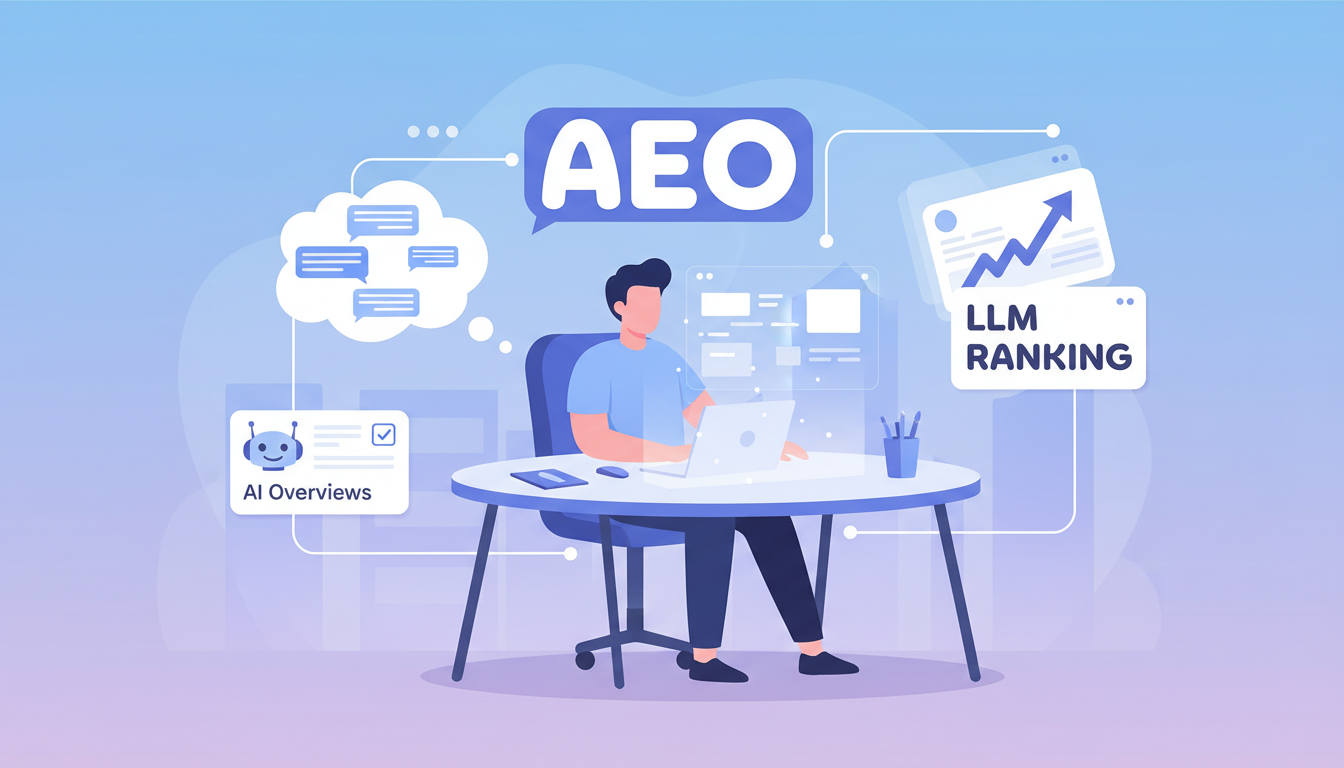
AEO (Answer Engine Optimization) is the new version of on-page SEO. Your content should be structured so AI can read it easily.
Use:
- short paragraphs
- direct answers
- question format headings
- bullet points
- simple explanations
- strong definitions
- human examples
This helps AI understand your article and use it as a base answer in results.
Also add bold long-tail keywords such as:
- “how to optimize content for AI answers”
- “best AEO strategies for 2026”
- “how to rank in LLM model answers”
These help both humans and AI understand your topic clearly.
-
Add Strong Real-World Signals
AI search engines love real human signals. These include:
- real photos
- screenshots
- original charts
- your own data
- your personal feedback
- your voice in audio or video
These signals prove that your content is “human-first,” making it more likely to appear in AI search results.
-
Become a Thought Leader in One Niche
When AI associates your name with a specific topic, you naturally rise in rankings.
Choose one focus area and publish high-quality content around it.
Example:
If you are known for “Instagram ads strategies,” AI tools will prefer your answer for that topic.
How is SEO different in 2026?
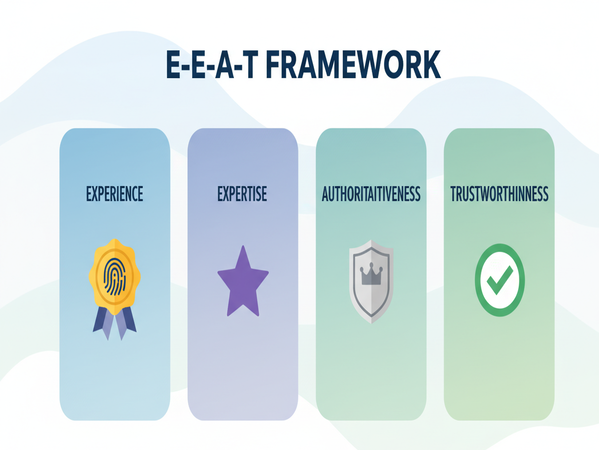
In 2026, most answers are shown directly by AI systems, so you must optimize for experience, expertise, authority, and trust instead of only keywords.
What is AEO?
AEO means Answer Engine Optimization, which helps content rank inside AI models like Google AI, ChatGPT search, and Perplexity.
Do backlinks still matter?
Yes, but they are not enough. AI now checks social signals, brand mentions, and reviews.
What type of content ranks best in AI?
Original, experience-rich, expert-driven content with transparent insights ranks the highest.