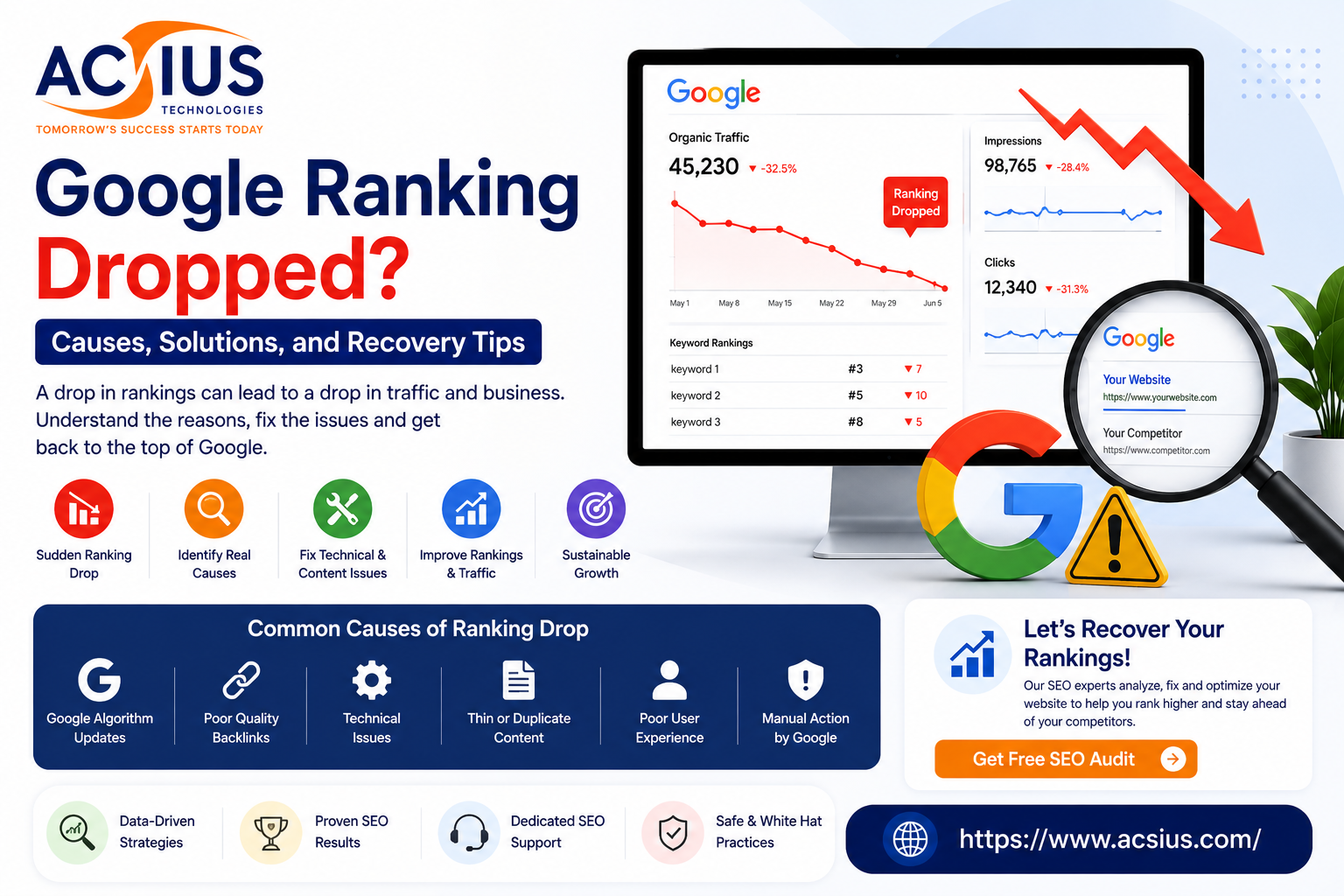
A sudden drop in Google rankings can be frustrating for any business owner, marketer, or website administrator. One day your website is performing well with consistent traffic, and the next day rankings decline dramatically, affecting leads, conversions, and revenue. Since Google search visibility directly impacts online success, understanding why rankings drop and how to recover is essential for maintaining long-term digital growth.
Google rankings fluctuate regularly due to algorithm updates, technical issues, content quality changes, and increasing competition. However, a major or long-term ranking drop usually indicates deeper SEO problems that need immediate attention. Businesses that identify these issues early can recover faster and regain their organic visibility.
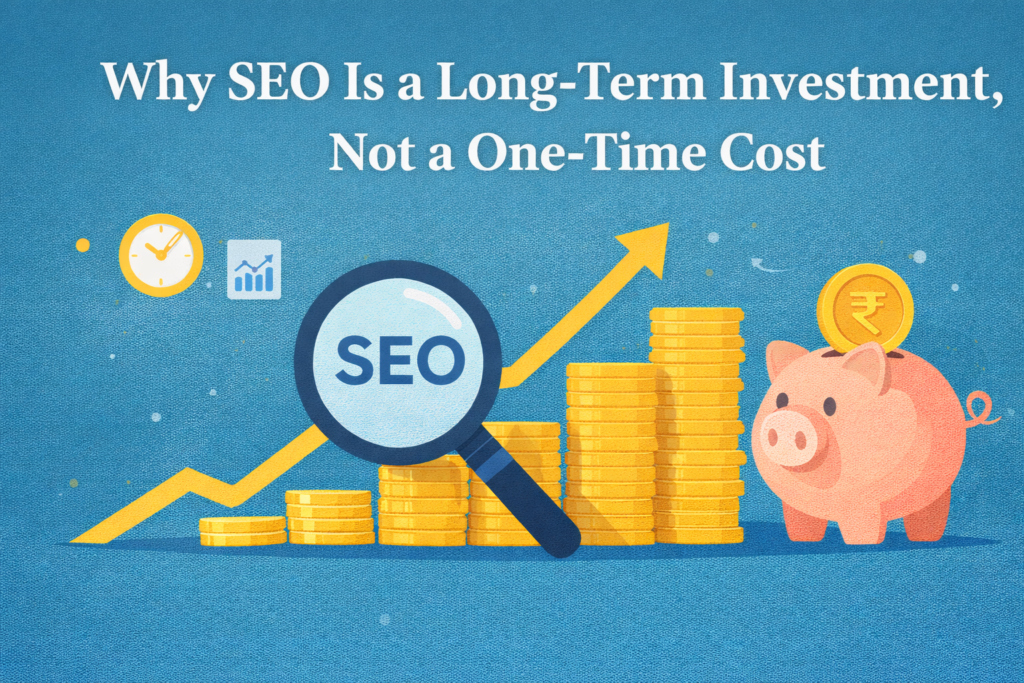
Search engine optimization is not a one-time task. It is an ongoing process that requires monitoring, optimization, and strategic improvements. Websites that fail to adapt to Google’s evolving ranking factors often experience traffic declines and reduced online visibility.
To avoid long-term damage, many businesses rely on professional SEO experts who understand algorithm behavior, technical optimization, and recovery strategies.
A trusted provider offering Best SEO Services India helps businesses identify ranking issues, improve website performance, and implement advanced optimization strategies that restore search visibility and organic traffic effectively.
Understanding Why Google Rankings Drop
Google ranking drops can happen for many reasons, ranging from minor technical problems to major algorithm penalties. Understanding the root cause is the first step toward recovery.
Some ranking fluctuations are temporary and occur naturally as Google tests search results. However, if the drop continues for several weeks or months, it usually signals a more serious issue that requires detailed SEO analysis.
The most common causes include:
- Google algorithm updates
- Technical SEO errors
- Low-quality or outdated content
- Loss of backlinks
- Increased competition
- Manual penalties
- Poor mobile usability
- Slow website speed
- Duplicate content
- Negative SEO attacks
Each of these issues can significantly impact website performance if left unresolved.
Google Algorithm Updates and Ranking Changes
Google frequently updates its search algorithm to improve user experience and provide better search results. Some updates are minor, while others significantly impact rankings across industries.
Core updates often focus on content quality, expertise, authority, trustworthiness, and user experience. Websites with weak content or outdated SEO practices may lose rankings after such updates.
Common signs of algorithm-related ranking drops include:
- Sudden traffic decline across multiple pages
- Reduced keyword rankings
- Lower impressions in Google Search Console
- Drop in click-through rates
Recovering from algorithm updates requires improving content quality, enhancing user experience, and aligning with Google’s latest best practices.
Technical SEO Problems That Affect Rankings
Technical SEO issues are among the most common reasons for ranking drops. Even high-quality content can struggle to rank if search engines cannot properly crawl and index the website.
Common Technical SEO Issues
Slow Website Speed
Page speed is an important ranking factor. Slow websites create poor user experiences and increase bounce rates.
Mobile Usability Problems
Google uses mobile-first indexing, meaning websites must perform well on smartphones and tablets.
Broken Links and 404 Errors
Broken pages reduce user trust and negatively impact crawling efficiency.
Indexing Problems
Improper robots.txt files or noindex tags can prevent pages from appearing in search results.
Poor Website Structure
Unorganized navigation and weak internal linking make it difficult for search engines to understand website content.
Regular technical audits help identify and resolve these problems before they damage rankings.
Content Quality and SEO Performance
Content quality is one of Google’s strongest ranking factors. Websites with thin, duplicated, or outdated content often experience ranking declines.
Google prioritizes content that provides real value, answers user intent, and demonstrates expertise. If competitors publish better and more comprehensive content, your rankings may gradually decrease.
Signs of Content-Related Ranking Problems
- Low engagement rates
- High bounce rates
- Declining organic traffic
- Poor keyword relevance
- Duplicate or copied content
Improving content quality involves updating old pages, expanding valuable information, adding multimedia, and targeting user-focused keywords.
The Importance of Local SEO for Visibility
Local SEO is essential for businesses targeting specific geographic regions. If local optimization is weak, rankings in Google Maps and location-based searches may decline.
Businesses that fail to maintain accurate business information, local citations, and reviews often lose visibility in local search results.
Professional services like local seo india help businesses optimize local search presence through Google Business Profile management, citation building, local keyword optimization, and review management strategies.
Strong local SEO improves visibility for nearby customers and increases targeted traffic that converts more effectively.
Backlink Loss and Authority Decline
Backlinks remain one of the strongest ranking signals in SEO. If a website loses high-quality backlinks, domain authority can decline significantly, causing rankings to drop.
Reasons for Backlink Loss
- Linking websites remove your links
- Expired or deleted referring pages
- Competitor link-building campaigns
- Spammy backlink profiles
- Google link spam updates
To recover, businesses must focus on earning authoritative backlinks through quality content, outreach campaigns, and digital PR strategies.
Manual Penalties and Spam Issues
Google may apply manual penalties if a website violates search guidelines. These penalties can drastically reduce rankings or remove pages from search results entirely.
Common Causes of Manual Actions
- Keyword stuffing
- Hidden text or cloaking
- Spam backlinks
- Thin affiliate pages
- Duplicate content
- Automatically generated content
Google Search Console typically notifies website owners about manual penalties. Resolving the issue and submitting a reconsideration request can help restore rankings.
Increased Competition in Search Results
Sometimes rankings drop simply because competitors improve their SEO strategies. New websites with better content, stronger backlinks, and superior user experience can outrank older pages.
SEO is highly competitive, and maintaining rankings requires continuous optimization. Businesses that stop updating content or ignore SEO trends often lose visibility over time.
Competitor analysis helps identify:
- New keyword opportunities
- Content gaps
- Backlink strategies
- Technical improvements
- User experience enhancements
Adapting to market competition is essential for long-term ranking stability.
User Experience and Ranking Performance
Google increasingly prioritizes user experience metrics when determining rankings. Websites that provide poor navigation, intrusive pop-ups, or confusing layouts may lose visibility.
Important UX Factors
- Mobile responsiveness
- Easy navigation
- Fast loading times
- Clear content structure
- Secure browsing experience
- Readable design and formatting
Improving user experience not only supports rankings but also increases conversions and customer satisfaction.
How SEO Reseller Services Support Recovery
Many agencies and businesses rely on white-label SEO solutions to handle ranking recovery professionally without building in-house SEO teams.
Services like seo reseller india provide comprehensive SEO support, including audits, backlink analysis, technical optimization, content improvements, and reporting under a client’s own branding.
SEO reseller solutions help agencies scale operations efficiently while delivering expert-level recovery strategies to clients.
Step-by-Step Recovery Tips for Ranking Drops
Recovering from a Google ranking drop requires a structured approach. Random changes without analysis can worsen the problem.
Step 1: Analyze Traffic Data
Use Google Analytics and Search Console to identify when rankings dropped and which pages were affected.
Step 2: Check for Algorithm Updates
Compare ranking changes with recent Google updates to determine whether the issue is algorithm-related.
Step 3: Conduct a Technical SEO Audit
Identify crawl errors, indexing issues, broken links, and performance problems.
Step 4: Improve Content Quality
Update outdated pages, remove duplicate content, and create more valuable resources.
Step 5: Analyze Backlink Profile
Remove toxic backlinks and focus on acquiring high-quality links.
Step 6: Optimize for User Experience
Improve mobile usability, navigation, and loading speed.
Step 7: Monitor Keyword Rankings
Track keyword performance regularly to measure recovery progress.
Step 8: Strengthen Local SEO
Ensure accurate local listings and optimize location-based content.
Importance of Consistent SEO Maintenance
SEO recovery is not an overnight process. Depending on the severity of the issue, it may take weeks or months to regain rankings.
Consistent maintenance is necessary to prevent future ranking declines. This includes:
- Regular content updates
- Technical audits
- Link monitoring
- Competitor analysis
- SEO trend adaptation
- Performance tracking
Businesses that continuously invest in SEO are more likely to maintain stable rankings and long-term growth.
Common Mistakes to Avoid During Recovery
Many businesses make recovery harder by taking incorrect actions after ranking drops.
Avoid These Common Mistakes
- Panicking and changing everything at once
- Using black-hat SEO techniques
- Buying low-quality backlinks
- Ignoring technical issues
- Publishing thin content
- Over-optimizing keywords
- Neglecting mobile optimization
A strategic and data-driven approach is always more effective.
The Role of Content Marketing in Recovery
Content marketing is one of the best ways to rebuild authority and improve rankings naturally.
High-quality blogs, guides, videos, infographics, and FAQs help attract traffic and encourage backlinks. Educational and user-focused content improves trust signals and increases engagement metrics.
Content marketing also supports keyword targeting and helps websites rank for long-tail search queries with lower competition.
Future-Proofing Your SEO Strategy
SEO is constantly evolving, and businesses must adapt to maintain visibility. Future-proof SEO strategies focus on:
- User-first content
- Mobile optimization
- AI-driven search behavior
- Voice search readiness
- Secure browsing experiences
- Core Web Vitals improvements
Businesses that stay updated with industry trends are less likely to experience major ranking losses.
Conclusion
A Google ranking drop can significantly impact website traffic, leads, and revenue, but recovery is possible with the right strategy. Identifying the root cause, improving technical SEO, enhancing content quality, strengthening backlinks, and focusing on user experience are essential steps toward restoring rankings.
SEO success requires continuous monitoring, optimization, and adaptation to search engine changes. Businesses that invest in professional SEO support can recover faster and maintain long-term digital visibility in competitive markets.
For businesses seeking reliable SEO recovery strategies and long-term optimization solutions, ACSIUS provides expert-driven services designed to improve rankings, restore traffic, and help brands achieve sustainable online growth.
FAQs
How long does it take to recover lost Google rankings?
Recovery time depends on the issue. Minor technical fixes may show improvements within a few weeks, while major algorithm-related recoveries can take several months.
Can Google algorithm updates affect my website rankings?
Yes, Google core updates can significantly impact rankings. Websites with outdated SEO practices, thin content, or poor user experience are more likely to lose visibility after updates.
How do technical SEO issues impact rankings?
Technical problems such as slow page speed, broken links, indexing errors, and poor mobile usability can prevent search engines from properly crawling and ranking your website.
What role does content quality play in SEO rankings?
High-quality content helps improve rankings by providing value to users and matching search intent. Thin, duplicate, or outdated content can negatively affect search visibility.
Can losing backlinks cause ranking drops?
Yes, backlinks are a major ranking factor. Losing high-quality backlinks can reduce domain authority and lower keyword rankings in search results.
What is the importance of local SEO in ranking recovery?
Local SEO improves visibility in location-based searches and Google Maps. Optimizing local listings, reviews, and location-specific keywords helps businesses recover local search rankings.
How can I check if my website has a Google penalty?
You can check Google Search Console for manual action notifications. Sudden ranking losses combined with traffic decline may also indicate a penalty.
What should I avoid after a ranking drop?
Avoid panic changes, keyword stuffing, buying spammy backlinks, publishing low-quality content, or using black-hat SEO techniques, as these can worsen the problem.
Why should businesses hire professional SEO experts for recovery?
Professional SEO experts can perform detailed audits, identify ranking issues, implement effective recovery strategies, and help businesses regain long-term search visibility more efficiently.