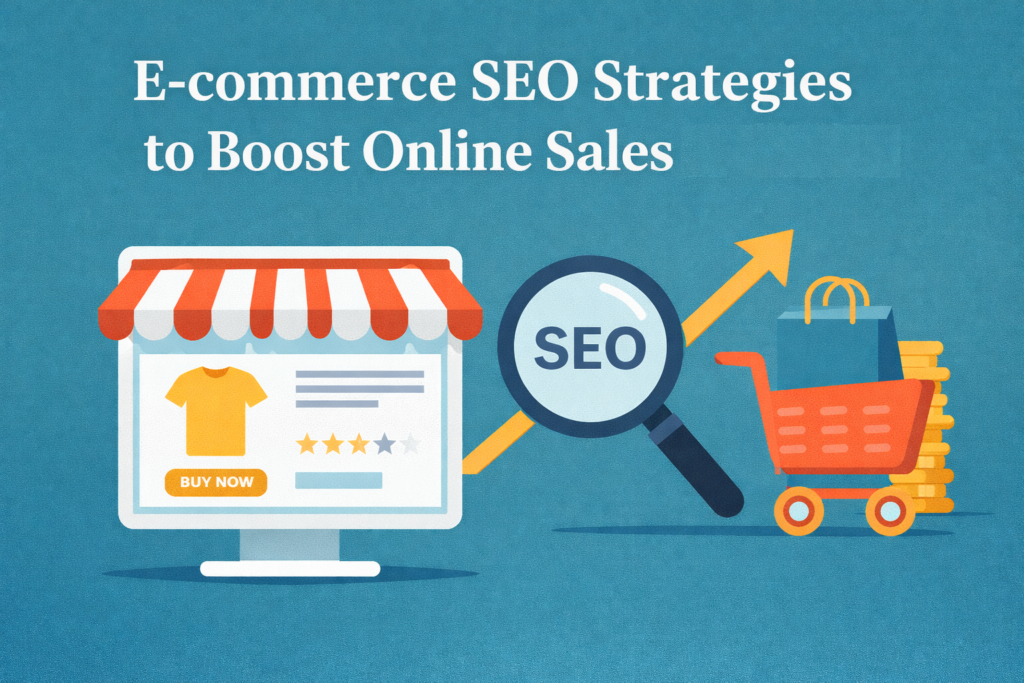
In the ever-growing world of eCommerce, simply launching a Shopify store is not enough to guarantee success. With thousands of online stores competing for visibility, ranking higher on search engines like Google has become essential for driving traffic and increasing sales. This is where Shopify SEO plays a crucial role.
Search Engine Optimization (SEO) helps your Shopify store appear in front of potential customers who are actively searching for products you offer. By implementing the right strategies, you can improve your rankings, attract organic traffic, and build a sustainable online business. Unlike paid advertising, SEO provides long-term benefits and a higher return on investment.
This comprehensive Shopify SEO guide will walk you through the most effective strategies to rank higher and get consistent traffic. Whether you are a beginner or an experienced store owner, these insights will help you optimize your Shopify store for success.
Understanding Shopify SEO Basics
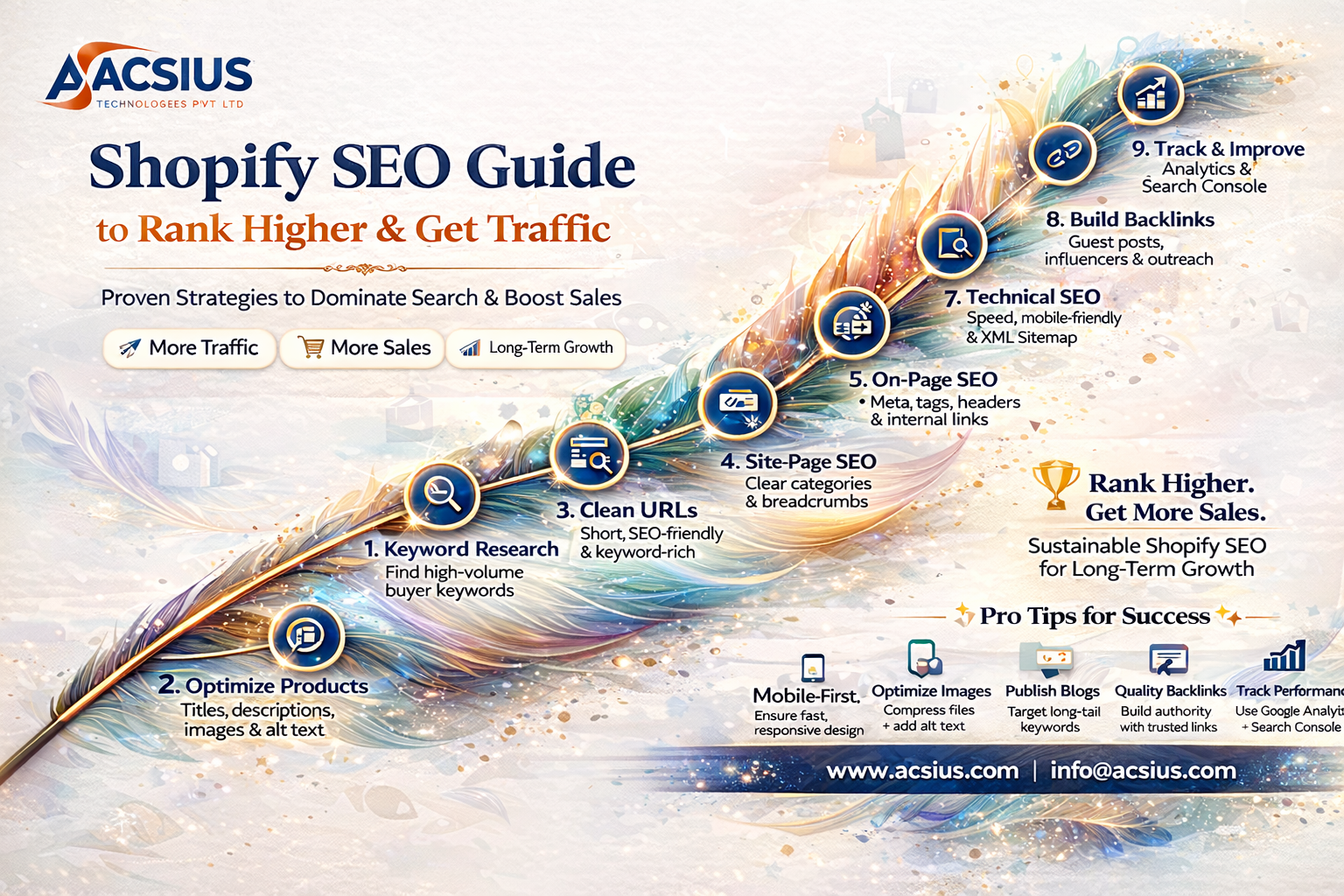
Shopify SEO involves optimizing your online store to improve its visibility on search engines. It includes a combination of on-page SEO, technical SEO, content marketing, and link-building strategies.
Shopify comes with built-in SEO features such as customizable title tags, Meta descriptions, and mobile-friendly themes. However, to truly stand out, you need to go beyond the basics and implement advanced optimization techniques.
Keyword Research for Shopify Stores
Keyword research is the foundation of any successful SEO strategy. It involves identifying the terms and phrases your target audience uses when searching for products.
Focus on:
- Product-specific keywords
- Long-tail keywords
- Buyer intent keywords
Using tools like Google Keyword Planner and Ahrefs can help you find high-volume, low-competition keywords that drive targeted traffic.
Optimizing Product Pages
Product pages are the core of your Shopify store. Optimizing them properly can significantly improve your rankings and conversions.
Key elements to optimize:
- Product titles with keywords
- Unique and detailed descriptions
- High-quality images with alt text
- SEO-friendly URLs
Avoid duplicate content and ensure each product page provides value to the user.
Creating SEO-Friendly URLs
Shopify automatically generates URLs, but you can customize them for better SEO.
Best practices:
- Keep URLs short and descriptive
- Include primary keywords
- Avoid unnecessary characters
Clean URLs improve both user experience and search engine understanding.
Improving Site Structure
A well-organized site structure helps search engines crawl your website efficiently and improves user navigation.
Best practices:
- Use clear categories and subcategories
- Limit clicks to reach products
- Implement breadcrumb navigation
A logical structure ensures that both users and search engines can easily find your content.
On-Page SEO for Shopify
On-page SEO involves optimizing individual pages to improve rankings.
Focus on:
- Title tags and meta descriptions
- Header tags (H1, H2, H3)
- Keyword placement
- Internal linking
Proper on-page SEO ensures that your content is relevant and easily understood by search engines.
Content Marketing for Shopify
Content marketing is a powerful way to drive organic traffic to your store. Creating valuable content helps attract users and build authority.
Content ideas:
- Blog posts
- Buying guides
- Product comparisons
- How-to articles
Regularly publishing high-quality content improves your chances of ranking for multiple keywords.
Technical SEO for Shopify
Technical SEO ensures that your website is optimized for search engine crawling and indexing.
Key areas to focus on:
- Site speed optimization
- Mobile responsiveness
- XML sitemap
- Robots.txt file
A technically sound website improves both rankings and user experience.
Mobile Optimization
With the majority of users shopping on mobile devices, mobile optimization is essential.
Ensure that:
- Your theme is responsive
- Pages load quickly
- Navigation is user-friendly
Google prioritizes mobile-first indexing, making this a critical factor for SEO success.
Image Optimization
Images play a vital role in eCommerce but can slow down your website if not optimized.
Best practices:
- Compress images
- Use descriptive file names
- Add alt text with keywords
Optimized images improve page speed and help your store rank in image search results.
Building High-Quality Backlinks
Backlinks are one of the most important ranking factors in SEO. They signal to search engines that your website is trustworthy and authoritative.
Ways to build backlinks:
- Guest blogging
- Influencer collaborations
- Directory submissions
- Content marketing
Focus on acquiring high-quality links from reputable websites.
Leveraging Social Media
Social media platforms can drive traffic to your Shopify store and improve brand visibility.
Share:
- Product updates
- Blog content
- Promotions
Engaging with your audience on social media helps build trust and encourages repeat visits.
User Experience and SEO
User experience (UX) plays a significant role in SEO. A well-designed website keeps users engaged and reduces bounce rates.
Focus on:
- Easy navigation
- Fast loading speed
- Clear call-to-actions
A positive user experience leads to higher conversions and better rankings.
Tracking and Analytics
Monitoring your SEO performance is essential for continuous improvement.
Use tools like:
- Google Analytics
- Google Search Console
Track metrics such as:
- Organic traffic
- Keyword rankings
- Conversion rates
Analyzing data helps you refine your strategy and achieve better results.
Common Shopify SEO Mistakes to Avoid
Avoid these common mistakes:
- Duplicate content
- Ignoring meta tags
- Slow loading speed
- Poor mobile experience
- Lack of keyword research
Fixing these issues can significantly improve your SEO performance.
Advanced Shopify SEO Strategies
To stay ahead of the competition, consider advanced strategies such as:
- Schema markup for rich snippets
- Voice search optimization
- AI-driven content optimization
- Personalized user experiences
These techniques help you gain a competitive edge and improve your rankings.
Importance of Consistency in SEO
SEO is not a one-time effort—it requires consistency and ongoing optimization. Regular updates, content creation, and performance monitoring are essential for long-term success.
Businesses that invest in continuous SEO efforts are more likely to achieve sustainable growth.
Future of Shopify SEO
The future of SEO is shaped by advancements in technology and changing user behavior. AI, voice search, and personalization are becoming increasingly important.
Staying updated with these trends ensures that your Shopify store remains competitive and continues to attract traffic.
Conclusion
Shopify SEO is a powerful strategy for improving your store’s visibility, attracting organic traffic, and increasing sales. By implementing the right techniques, you can create a strong online presence and achieve long-term success.
From keyword research and on-page optimization to technical SEO and content marketing, every aspect of SEO plays a crucial role in your store’s performance. By focusing on user experience and staying updated with the latest trends, you can stay ahead of the competition.
If you’re looking to maximize your Shopify store’s potential and achieve higher rankings, partnering with experts can make a significant difference. ACSIUS offers advanced and result-driven SEO solutions designed to help businesses grow, attract more traffic, and succeed in the competitive eCommerce landscape.
FAQs
Why is SEO important for Shopify stores?
SEO helps your store rank higher in search results, making it easier for potential customers to find your products and increasing overall traffic and conversions.
How long does Shopify SEO take to show results?
SEO is a long-term strategy. You may start seeing improvements within 3 to 6 months, but consistent efforts are required for lasting results.
What are the most important SEO factors for Shopify?
Key factors include keyword optimization, site speed, mobile responsiveness, high-quality content, backlinks, and user experience.
How can I improve my Shopify product pages for SEO?
Optimize product titles, write unique descriptions, use high-quality images with alt text, and include relevant keywords naturally.
Does Shopify have built-in SEO features?
Yes, Shopify offers features like customizable Meta tags, mobile-friendly themes, and automatic sitemaps, but additional optimization is needed for better results.
What is the role of content marketing in Shopify SEO?
Content marketing helps drive organic traffic by creating valuable blogs, guides, and articles that attract and engage users.
How do backlinks help Shopify SEO?
Backlinks from reputable websites increase your store’s authority and improve search engine rankings.
What are common Shopify SEO mistakes to avoid?
Common mistakes include duplicate content, slow website speed, poor mobile optimization, and ignoring keyword research.
Why choose ACSIUS for Shopify SEO services?
ACSIUS provides data-driven, result-oriented SEO strategies that help Shopify stores rank higher, attract more traffic, and achieve long-term growth.