
What is NLP Optimization in SEO?
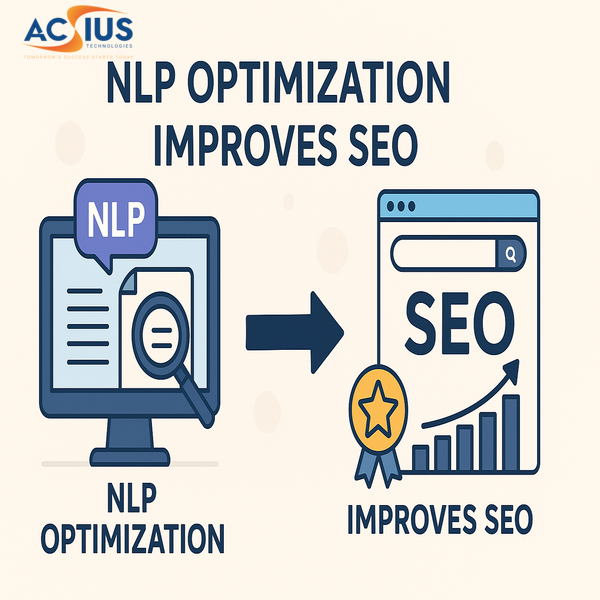
NLP, or Natural Language Processing, is a subfield of artificial intelligence (AI) that allows machines to understand and interpret human language. When it comes to SEO (Search Engine Optimization), NLP optimization refers to the process of tailoring your content to better align with how search engines interpret and process natural language. By using NLP techniques, websites can increase their chances of ranking higher on search engine results pages (SERPs) by improving content relevance and readability.
Search engines like Google are constantly improving their ability to understand content not just based on keywords, but also based on the meaning and context behind those words. NLP SEO optimization ensures that your content is structured in a way that aligns with search engines’ semantic search capabilities, helping to improve overall visibility and traffic.
The Role of NLP in SEO
Historically, SEO was mostly about using the right keywords. However, search engines now use more advanced algorithms to understand the intent behind user queries. With NLP, Google and other search engines can analyze entire sentences or paragraphs, not just individual keywords, to determine how well your content answers a query. This shift has made NLP optimization in SEO even more crucial.
For example, Google’s BERT (Bidirectional Encoder Representations from Transformers) update uses NLP models to better understand the context of words in a sentence. This means if your content is optimized for NLP, it is more likely to be understood and ranked higher by search engines.
How Does NLP Optimization Improve SEO?
-
Improved Content Relevance
By using NLP techniques, you can write content that aligns better with what users are actually searching for. This goes beyond just targeting specific keywords. It involves understanding user intent and delivering content that answers questions or solves problems in a natural, engaging way. Google’s semantic search now looks for content that matches the meaning behind search queries, not just exact keyword matches.
-
Better User Experience
When content is optimized with NLP in mind, it’s more likely to be easier to read and more informative. This improves the overall user experience (UX), which can have a direct impact on SEO rankings. Search engines reward websites that offer a positive user experience because it shows that the content is valuable to visitors.
-
Featured Snippets and Rich Results
NLP-optimized content is more likely to appear in featured snippets and other rich results on Google. These results are often displayed at the top of the search engine results page (SERP) and are designed to answer questions quickly. Optimizing content with clear, concise answers and structured data can improve your chances of appearing in these premium positions.
-
Voice Search Optimization
The rise of voice search has made natural language queries more important than ever. People tend to phrase their queries in a more conversational tone when using voice search. By optimizing your content for voice search through NLP, you can make it easier for search engines to find your site when people use voice assistants like Google Assistant or Siri.
-
Content Structure and Keyword Clustering
NLP helps search engines understand how different LSI (Latent Semantic Indexing) keywords are related. When you use clusters of related keywords, you increase the chances of your content ranking for a variety of relevant search queries. Organizing your content with semantic meaning in mind (rather than just focusing on individual keywords) improves the way search engines crawl and index your site.
How to Optimize Content for NLP in SEO?
-
Use Natural Language and Conversational Tone
When writing content, avoid keyword stuffing and focus on creating high-quality, natural language that flows smoothly. Use a conversational tone and write as if you’re speaking to a friend. This makes your content more likely to match what search engines like Google are looking for.
-
Include Related Keywords and Synonyms
LSI keywords, which are semantically related to your primary target keywords, help search engines understand the topic of your content more clearly. For example, if you’re writing about “dog food,” LSI keywords could include pet nutrition, canine diet, or best food for dogs. Using a range of related keywords improves the overall relevance of your content.
-
Optimize for Featured Snippets
When creating content, structure it in a way that is easy for search engines to pull as a featured snippet. Break your content into short, concise paragraphs, use lists, and provide direct answers to common questions related to your topic.
-
Focus on User Intent
Focus on understanding what the user is looking for, rather than just the keywords they are typing into a search engine. This means targeting long-tail keywords that reflect more specific queries. For example, instead of just targeting “dog food,” aim for phrases like “best dog food for puppies with sensitive stomachs” or “how to choose the right dog food for my pet.”
-
Use Structured Data (Schema Markup)
Adding structured data (schema markup) to your content helps search engines better understand the context of your content. This can improve your chances of appearing in rich results and Google’s knowledge graph, increasing visibility.
FAQs NLP Optimization in SEO
How does NLP impact SEO rankings?
NLP helps search engines better understand the intent behind a user’s query. By optimizing content with NLP, websites can improve their chances of ranking higher by ensuring the content is more relevant and valuable to users.
What are LSI keywords and why are they important for NLP optimization?
LSI (Latent Semantic Indexing) keywords are related terms that help search engines understand the topic of your content more deeply. Using LSI keywords improves the semantic relevance of your content and increases the likelihood of ranking for a variety of related search queries.
How can I optimize my content for NLP and voice search?
To optimize for NLP and voice search, focus on writing in a conversational tone, using natural language, and answering questions directly. Consider including long-tail keywords that match how people speak when making voice queries.
Does NLP optimization help with featured snippets?
Yes, NLP optimization can help your content appear in featured snippets. By structuring your content clearly, providing concise answers, and using bullet points or numbered lists, you increase the chances of your content being selected for rich results.
How ACSIUS Can Help in Creating Natural Content for SEO Optimization
At ACSIUS, we understand that creating natural content for SEO isn’t just about inserting the right keywords into your website or blog. It’s about crafting content that resonates with your audience, aligns with search engine algorithms, and improves user experience. Our expertise in content marketing and NLP (Natural Language Processing) optimization can elevate your brand’s presence and ranking on search engine results pages (SERPs).
Here’s how ACSIUS can help you create content that is authentic, engaging, and optimized for SEO:
1. Crafting Content that Speaks to Your Audience
At ACSIUS, we start by understanding your target audience and their needs. We don’t just create content to rank higher; we create content that genuinely answers your audience’s questions and provides value. By focusing on user intent and the natural flow of language, we ensure that the content feels organic and human.
- Audience Research: We dive deep into your audience’s preferences, behaviors, and pain points.
- Tailored Messaging: We customize your content to speak directly to your audience in a tone and style they can relate to.
- Answering Real Questions: We create content that solves problems, answers questions, and provides actionable insights that your audience is actively searching for.
2. SEO-Driven Content Creation
While natural language is important, your content also needs to be SEO-friendly to rank well. ACSIUS integrates advanced SEO practices with NLP to optimize your content for both readers and search engines. Here’s how we do it:
- Long-Tail Keywords: We focus on high-intent long-tail keywords that match what your customers are actually searching for. By targeting less competitive, more specific queries, we help you attract the right audience.
- LSI Keyword Integration: We integrate LSI (Latent Semantic Indexing) keywords to ensure your content is contextually relevant, improving its chances of ranking for multiple related queries.
- Semantic Search Optimization: We optimize content for semantic search, ensuring that it’s not only keyword-optimized but also aligned with the meaning and context of your audience’s search intent.
3. Voice Search Optimization
With the increasing use of voice assistants, voice search optimization has become a crucial aspect of modern SEO. ACSIUS helps you craft content that sounds natural when spoken aloud, ensuring your website ranks for voice queries. We optimize your content to reflect how people ask questions using voice search.
- Conversational Tone: We ensure your content has a conversational, natural tone that matches voice search queries.
- Featured Snippet Optimization: Our team works on getting your content featured in position zero (featured snippets) by structuring answers in a clear, concise, and direct manner.
- FAQ Sections: We integrate FAQ sections into your content to answer common questions directly, helping you rank for voice search queries.
4. User Experience and Readability
At ACSIUS, we prioritize the user experience by ensuring that the content we create is both informative and easy to read. A positive user experience signals to search engines that your content is valuable, which can boost your rankings.
- Engaging and Readable Content: We write clear, well-structured content that flows naturally and is easy to digest.
- Content Formatting: Using headings, bullet points, numbered lists, and short paragraphs, we enhance readability and break up long text for better user engagement.
- Internal Linking Strategy: We incorporate internal links that guide users to more relevant content on your website, increasing time on site and improving SEO.
