
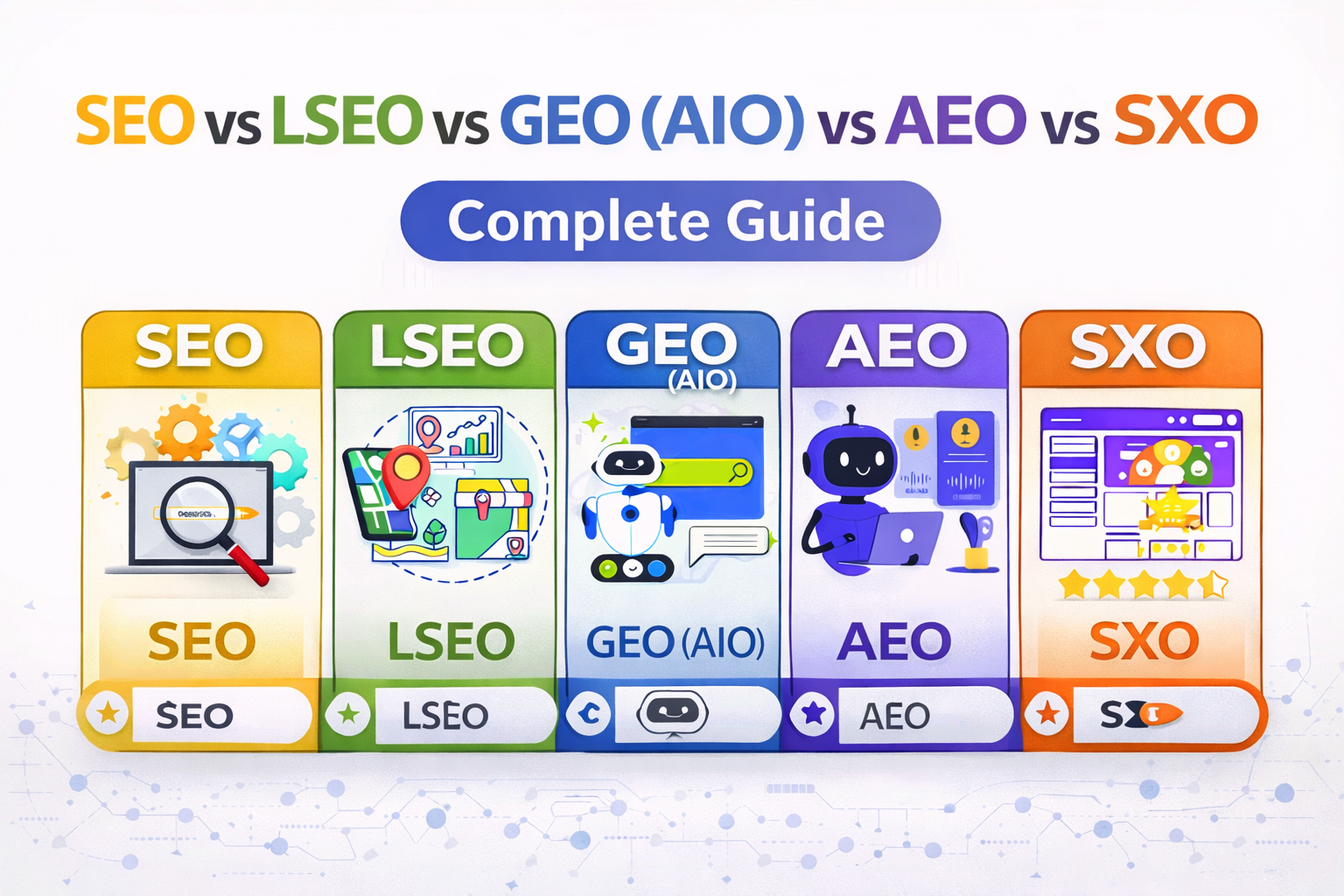
The way people search online has changed dramatically. Traditional search engines like Google are no longer the only gateways to information. Today, users also rely on AI-powered tools, voice assistants, local map searches, and experience-driven websites to find answers, services, and products.
As a result, businesses and marketers must go beyond traditional SEO and adopt a multi-layered optimization strategy. This is where SEO, LSEO, GEO (AIO), AEO, and SXO come into play.
In this in-depth guide, we will explain each concept clearly, how they work, why they matter, and how combining all five creates a future-proof digital growth strategy.
1. What Is SEO (Search Engine Optimization)?
SEO (Search Engine Optimization) is the process of optimizing a website so it ranks higher on search engines like Google, Bing, and Yahoo for relevant keywords.
The main goal of SEO is to increase organic (non-paid) traffic by improving visibility in search engine results pages (SERPs).
Core Pillars of SEO
1. Keyword Research & Search Intent
Modern SEO is not just about keywords—it’s about user intent:
- Informational (learn something)
- Navigational (find a brand/page)
- Transactional (buy or book)
- Commercial investigation (compare options)
Choosing the right keywords aligned with intent is the foundation of SEO success.
2. High-Quality Content
Search engines prioritize content that is:
- Helpful and original
- Well-structured
- In-depth and trustworthy
- Regularly updated
Content must solve real problems, not just repeat keywords.
3. On-Page SEO
Includes:
- Optimized title tags and meta descriptions
- Header structure (H1–H6)
- Internal linking
- Image optimization (alt text)
- URL structure
4. Off-Page SEO & Authority
This focuses on:
- Backlinks from trusted websites
- Brand mentions
- Social signals
- Digital PR
The stronger your authority, the higher your chances of ranking.
5. Technical SEO
Ensures search engines can crawl and index your site properly:
- Page speed
- Mobile friendliness
- Core Web Vitals
- HTTPS security
- XML sitemaps
Result of SEO
✅ Higher rankings
✅ More organic traffic
✅ Long-term visibility
✅ Sustainable growth
2. What Is LSEO (Local Search Engine Optimization)?
LSEO (Local Search Engine Optimization) focuses on improving visibility for location-based searches, such as:
- “SEO agency near me”
- “Best Salons in Dubai”
- “AC repair service in Delhi”
LSEO is crucial for businesses that serve a specific city, region, or area.
Key Components of LSEO
1. Google Business Profile Optimization
Your Google Business Profile (GBP) plays a major role in local rankings:
- Accurate business name, address, phone (NAP)
- Business categories
- Photos & updates
- Services and products
- Q&A section
2. Local Keywords
Examples:
- “Web designer in Mumbai”
- “Dentist in Andheri West”
- “Italian restaurant in Downtown Dubai”
These keywords connect your business with local customers.
3. Maps & Local Citations
- Google Maps
- Apple Maps
- Yelp
- Local directories
Consistency across platforms builds trust.
4. Reviews & Ratings
Customer reviews influence:
- Rankings
- Click-through rates
- Conversion decisions
Result of LSEO
✅ Visibility in “near me” searches
✅ More calls and walk-ins
✅ Local trust & credibility
✅ High-intent leads
3. What Is GEO (AIO) – Generative / AI Engine Optimization?
GEO (Generative Engine Optimization), also known as AIO (AI Optimization), is the practice of optimizing content so it is understood, selected, and referenced by AI-powered tools.
These include:
- AI search assistants
- Generative answer engines
- Conversational AI platforms
Instead of ranking links, AI systems generate answers—and GEO ensures your brand becomes part of those answers.
Why GEO Matters in 2026 & Beyond
Search behavior is shifting:
- Users want instant answers
- AI summarizes content instead of showing 10 blue links
- Brand mentions inside AI responses influence decisions
If your content is not AI-friendly, you may lose visibility even if your SEO is strong.
Core Elements of GEO
1. AI-Friendly Structured Content
Content should be:
- Clear and concise
- Logically structured
- Easy to summarize
- Free from fluff
2. Entity-Based Optimization
AI understands entities, not just keywords:
- Brands
- People
- Services
- Locations
Strong entity signals help AI recognize your authority.
3. Topical Authority
Instead of writing one article, cover a topic deeply:
- Pillar pages
- Supporting cluster content
- Internal linking
This signals expertise to AI systems.
4. Data Clarity
AI prefers:
- Facts
- Lists
- Tables
- FAQs
- Definitions
Result of GEO (AIO)
✅ Brand visibility inside AI-generated answers
✅ Trust signals for future search
✅ Competitive advantage
✅ AI-driven discovery
4. What Is AEO (Answer Engine Optimization)?
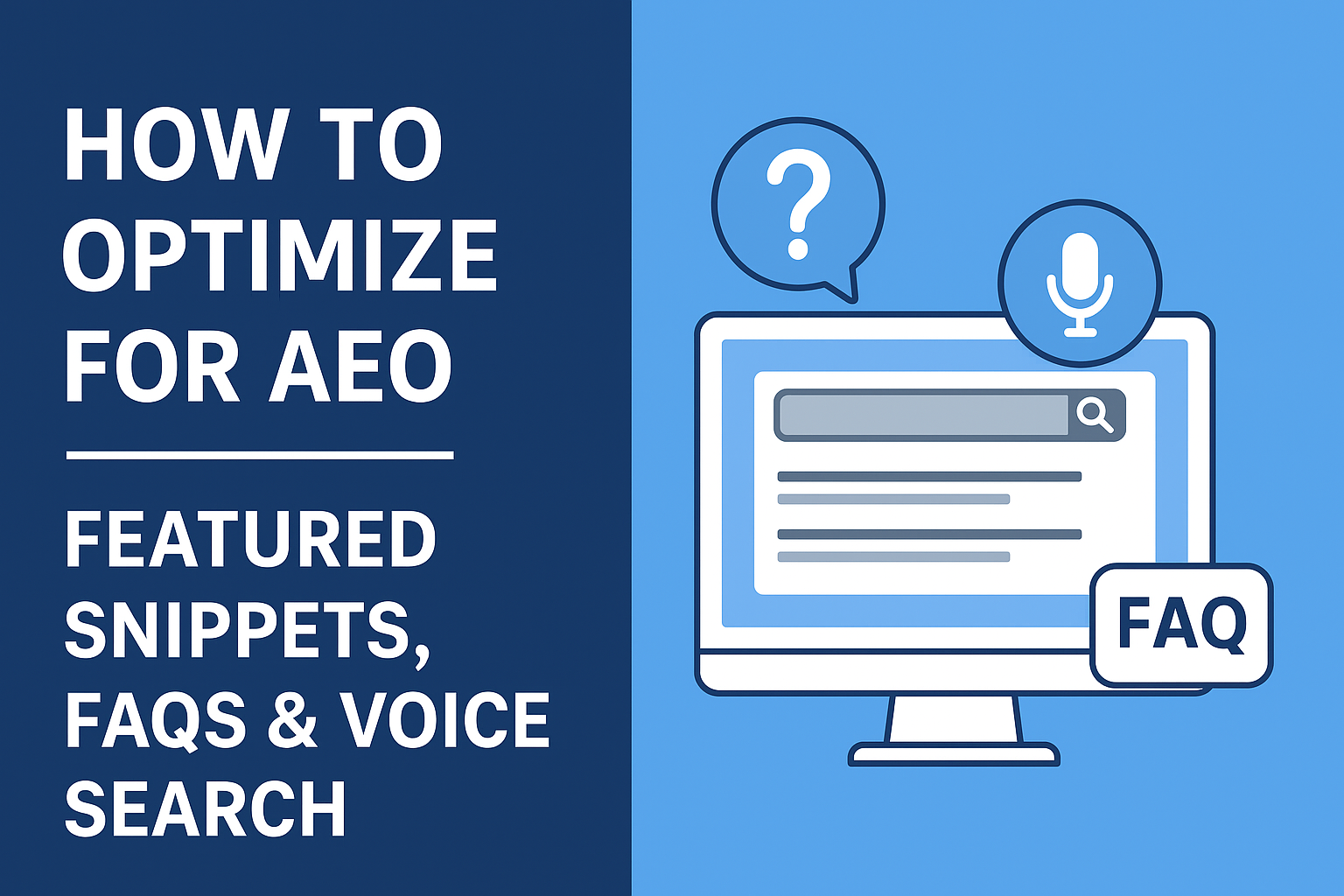
AEO (Answer Engine Optimization) focuses on optimizing content to appear as direct answers in:
- Featured snippets
- People Also Ask
- Voice search results
- Zero-click searches
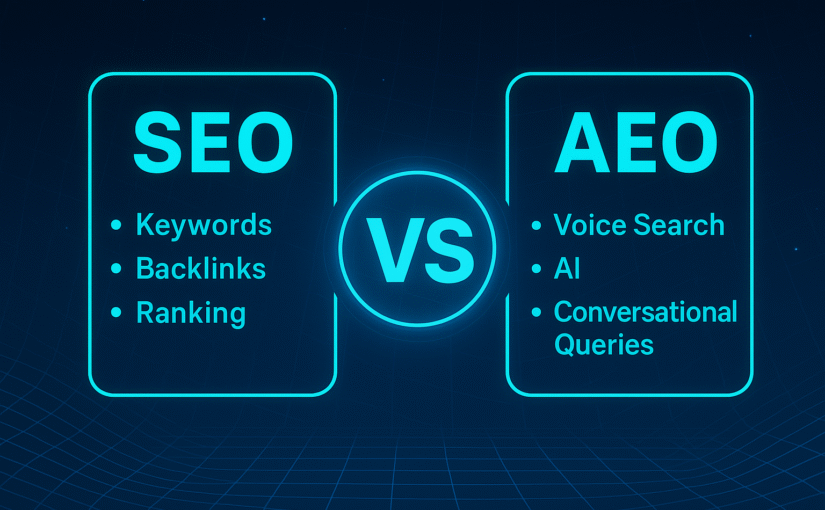
AEO is closely related to SEO but prioritizes answers over rankings.
Why AEO Is Important
Many users:
- Don’t click websites
- Rely on quick answers
- Use voice assistants
If your content answers questions clearly, search engines and AI engines prefer it.
Key Elements of AEO
1. Question-Based Content
Use:
- Who, What, Why, How, When
- Long-tail question keywords
Example:
What is GEO in digital marketing?
2. FAQ & How-To Formats
Well-structured FAQs are gold for AEO.
3. Structured Data (Schema)
Schema markup helps engines understand:
- FAQs
- Reviews
- How-to steps
- Products
4. Voice Search Optimization
Voice queries are:
- Conversational
- Long
- Natural language-based
Result of AEO
✅ Featured snippets
✅ Voice assistant answers
✅ Authority positioning
✅ Higher trust
5. What Is SXO (Search Experience Optimization)?
SXO (Search Experience Optimization) combines SEO + UX + CRO to improve the entire user journey—from search to conversion.
Ranking is useless if users don’t convert.
Core Areas of SXO
1. UX/UI Design
- Clean layout
- Easy navigation
- Mobile-first design
- Readable content
2. Page Speed & Core Web Vitals
Slow websites lose:
- Rankings
- Users
- Revenue
Speed is a ranking and conversion factor.
3. Clear CTAs
Users should know exactly what to do next:
- Call now
- Book appointment
- Get quote
- Subscribe
4. Conversion Rate Optimization (CRO)
Small improvements can double conversions:
- Better headlines
- Trust signals
- Testimonials
- Forms optimization
Result of SXO
✅ Better engagement
✅ Lower bounce rates
✅ More leads & sales
✅ Higher ROI
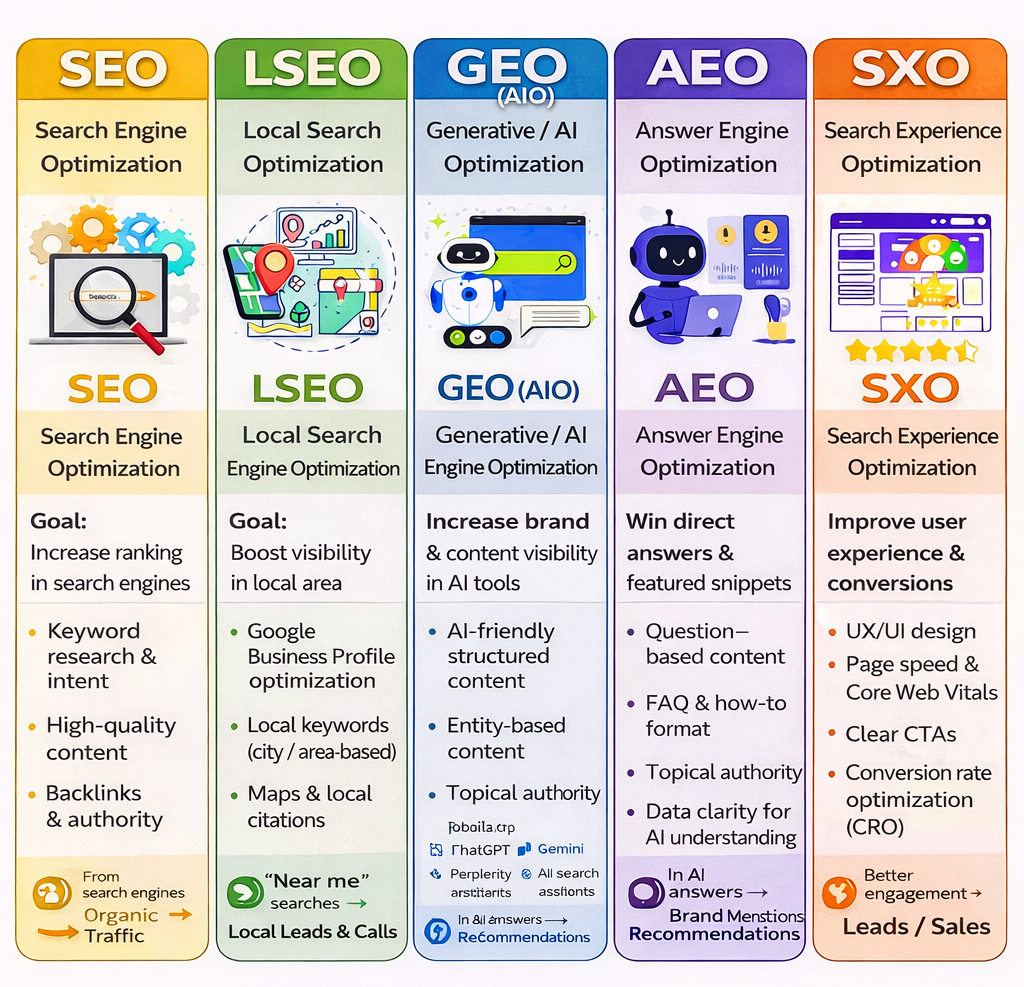
SEO vs LSEO vs GEO vs AEO vs SXO (Quick Comparison)
- SEO → Rank on search engines
- LSEO → Get local customers
- GEO (AIO) → Be visible in AI-generated answers
- AEO → Become the direct answer
- SXO → Turn visitors into customers
The Ultimate 2026 Digital Growth Strategy
Today, relying only on SEO is risky.
The Winning Formula:
SEO + LSEO + GEO (AIO) + AEO + SXO
This approach ensures:
- Visibility everywhere (search, local, AI)
- Authority and trust
- Better user experience
- Sustainable business growth
Final Thoughts
Search is no longer just about ranking—it’s about being found, being trusted, and being chosen.
Businesses that adapt early to AI-driven search, answer engines, and experience optimization will dominate the next decade of digital marketing.
If you want to stay ahead, start optimizing all five pillars today.
FAQs about What Are SEO, LSEO, GEO (AIO), AEO & SXO?
Is SEO still important in the AI search era?
Yes, SEO is still the foundation of digital visibility. However, modern SEO must be combined with GEO, AEO, and SXO to stay competitive in AI-driven and experience-based search environments.
What is GEO (AIO) in simple words?
GEO (Generative Engine Optimization) means optimizing content so that AI tools can understand it easily and include your brand or website in AI-generated answers and recommendations.
How does AEO help with voice search?
AEO focuses on clear, direct answers and structured content, which makes it easier for voice assistants like Google Assistant and Alexa to read your content as spoken answers.
What is SXO and why is it important?
SXO improves the overall user experience after someone clicks on your website. It ensures fast loading, easy navigation, and clear calls-to-action, helping convert visitors into leads or customers.
Can small businesses benefit from LSEO?
Absolutely. LSEO is one of the most powerful strategies for small and local businesses because it targets high-intent users who are actively looking for nearby services or products.
Do I need all five: SEO, LSEO, GEO, AEO, and SXO?
Yes. Using all five together creates a future-proof strategy that covers traditional search, local visibility, AI-generated answers, direct responses, and user experience optimization.
How long does it take to see results from SEO and GEO?
SEO typically takes 3–6 months to show strong results, while GEO visibility can grow gradually as AI systems recognize your content authority and entity relevance.
Does FAQ content really help SEO?
Yes. FAQs improve topical relevance, increase chances of featured snippets, support voice search, and help AI engines understand your content better.
What is the biggest SEO mistake businesses make today?
The biggest mistake is focusing only on rankings and ignoring AI visibility, local search, and user experience, which are critical for modern digital success.










Pingback: Nachhaltige Sichtbarkeit: So gelingt digitales Wachstum
Pingback: azithromycin 500 mg
Pingback: what is doxycycline for
Pingback: augmentin for uti
Pingback: tadalafil & dapoxetine tablets
Pingback: cenforce 200mg side effects
Pingback: orlistat brand name
Pingback: orlistat 84 capsules
Pingback: tadalafil 20mg reviews