Building a mobile app used to be something only large, well-funded companies could afford to do properly. That’s no longer true. Today, businesses of nearly every size are exploring android app development services to reach customers directly on their phones, whether that means a retail brand building a loyalty app, a healthcare provider offering appointment booking, or a startup launching an entirely app-based product. Android alone powers the majority of smartphones globally, which makes it an obvious starting point for many businesses looking to establish a mobile presence.
But building an app that people actually want to use, and one that performs reliably across the enormous range of Android devices in the market, requires real technical expertise. This isn’t a space where cutting corners pays off. Poor performance, clunky navigation, or frequent crashes can quickly erode user trust and tank your app store ratings, undoing months of development effort in a matter of weeks. That’s why choosing the right development partner matters just as much as the idea behind the app itself. And for many businesses, the decision doesn’t stop at Android. Once a product proves itself, expanding to iOS becomes a natural next step, which is why it’s worth understanding early on what to look for in an iOS app development company as well, even if your immediate focus is Android. Thinking about both platforms from the outset, even if you launch on one first, tends to lead to smarter architectural decisions down the road.
This guide walks through what quality Android development actually involves, how to evaluate potential partners, common pitfalls to avoid, and how cross-platform thinking can save significant time and cost as your app grows.
Why Android Development Deserves Careful Consideration
Android’s open ecosystem is both its greatest strength and its biggest development challenge. Unlike iOS, where Apple controls a relatively limited set of hardware configurations, Android runs across thousands of device models, screen sizes, and operating system versions. This fragmentation means that thorough testing across device types is essential, something that inexperienced developers often underestimate until users start reporting bugs that only appear on specific devices.
At the same time, Android’s flexibility offers real advantages. It allows for deeper system-level integrations, more customization options, and often faster app store approval timelines compared to iOS. For businesses building apps with hardware integrations, background processes, or highly customized user interfaces, Android’s openness can actually be an advantage when handled by a team that understands how to navigate its complexity effectively.
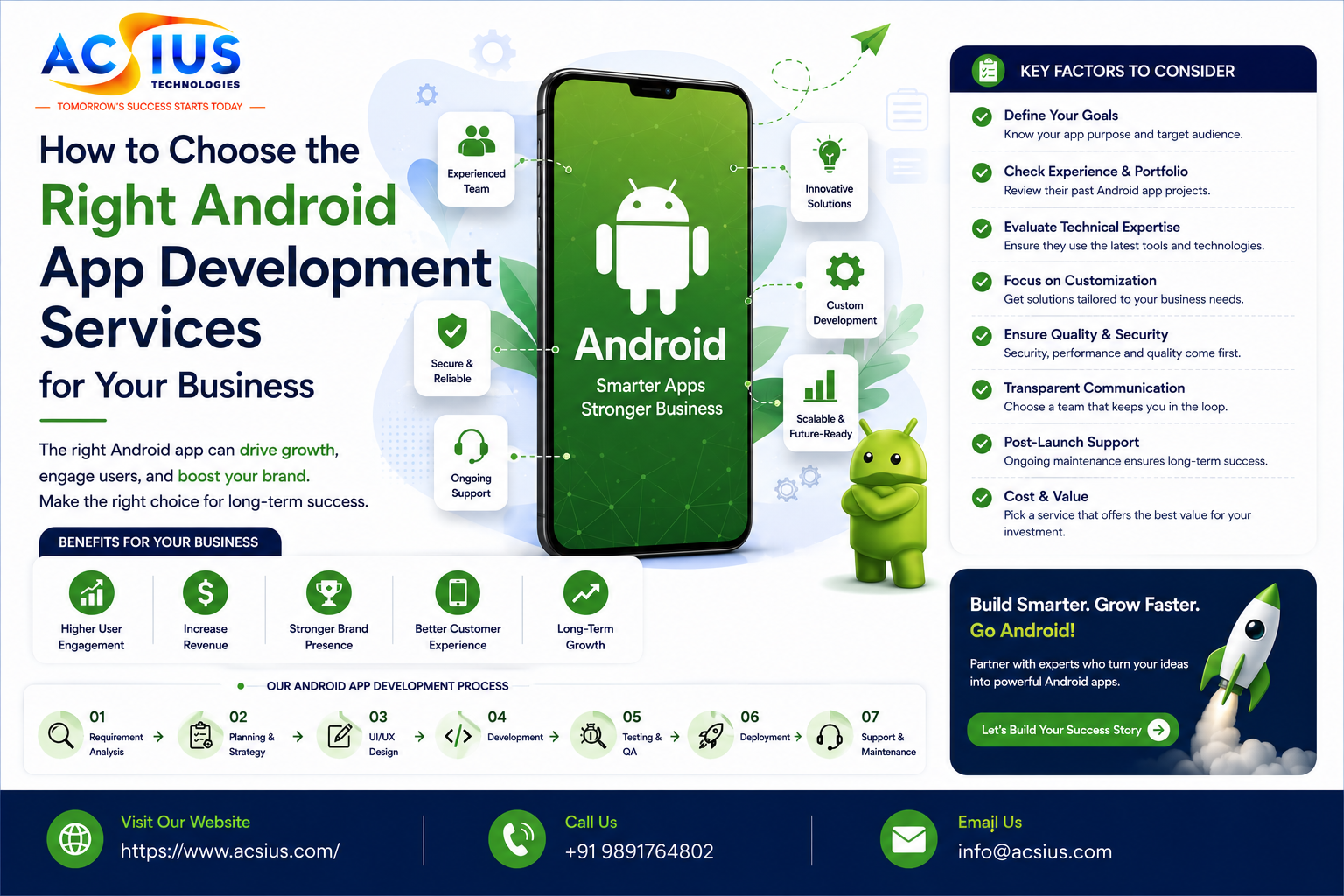
What Quality Android App Development Services Actually Include
Not every development service offers the same depth of support. Understanding what a comprehensive service should include helps you evaluate whether a potential partner is truly equipped to handle your project from start to finish.
Strategic Discovery and Planning
Before any code is written, a strong development partner should invest time understanding your business goals, target audience, and the specific problem your app is meant to solve. This phase typically includes defining core features, mapping user flows, and identifying technical requirements that will shape architecture decisions later in the process. Skipping this stage often leads to scope creep and costly rework further down the line.
UI/UX Design Tailored to Android Conventions
Android has its own design language, historically built around Material Design principles, which shapes how users expect navigation, buttons, and visual hierarchy to behave. A development team with genuine Android expertise designs with these conventions in mind, rather than simply porting a generic or iOS-first design onto the platform. This attention to platform-specific conventions makes a real difference in how intuitive the app feels to actual Android users.
Native or Cross-Platform Development Expertise
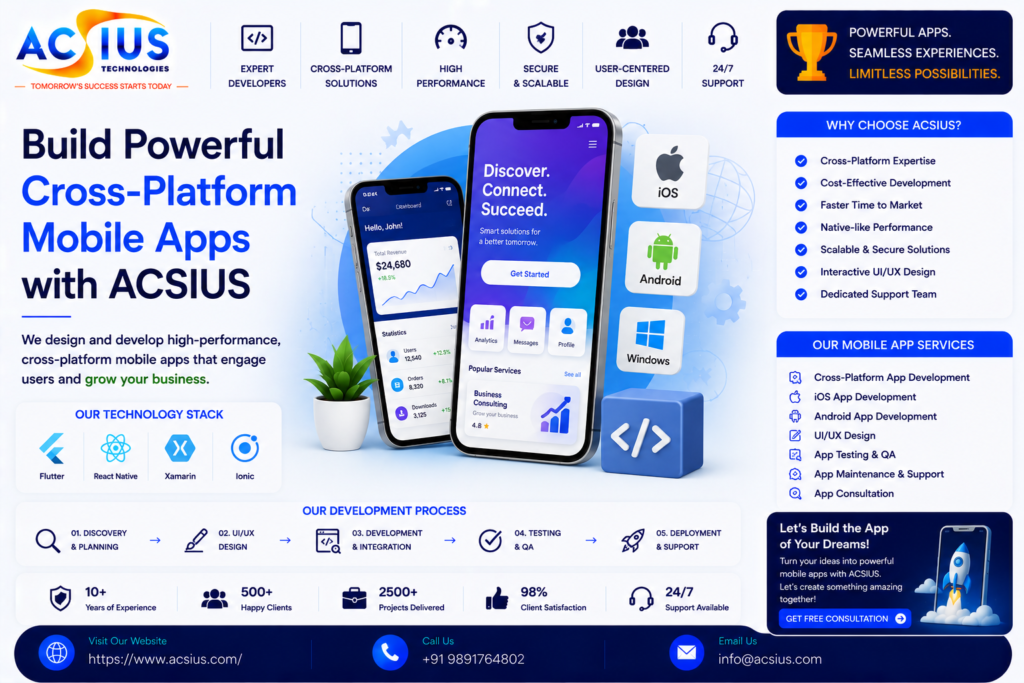
Businesses generally choose between native Android development (typically using Kotlin or Java) or cross-platform frameworks like Flutter or React Native, which allow code sharing between Android and iOS. Native development often delivers better performance and deeper access to device-specific features, while cross-platform approaches can reduce development time and cost when you know you’ll eventually need both Android and iOS versions. A good development partner should be able to clearly explain the trade-offs and recommend the right approach based on your specific goals and budget, rather than defaulting to whichever technology they happen to specialize in.
Robust Backend and API Integration
Most modern apps rely on backend systems for user authentication, data storage, push notifications, and third-party integrations like payment gateways or CRM systems. Strong development services include not just front-end app building, but the backend architecture and API work needed to support a fully functional, scalable product.
Rigorous Testing Across Devices
Given Android’s device fragmentation, comprehensive testing across a range of screen sizes, operating system versions, and hardware specifications is essential before launch. This includes functional testing, performance testing, and security testing, particularly for apps handling sensitive user data or payment information.
Post-Launch Support and Maintenance
An app’s launch is really just the beginning. Operating system updates, new device releases, and evolving user expectations all require ongoing maintenance. Reliable development services include structured support plans covering bug fixes, performance monitoring, and feature updates well beyond the initial launch date.
Common Mistakes Businesses Make When Choosing a Development Partner
Even businesses with strong app ideas can run into trouble if they approach the hiring process without a clear framework. A few recurring mistakes are worth avoiding.
Choosing based on price alone. The cheapest development quote often reflects shortcuts in testing, security, or design quality that surface later as expensive problems. Value should be measured against experience and quality, not just the initial invoice.
Not asking for real portfolio examples. A polished pitch deck doesn’t guarantee strong technical execution. Ask to see live apps the team has built, ideally within a similar industry or complexity level to your own project, and actually download and use them if possible.
Underestimating the importance of post-launch support. Many businesses focus entirely on the build phase and overlook maintenance planning, only to find themselves scrambling when an OS update breaks core functionality months later.
Ignoring scalability from the start. Building an app without considering future growth, whether that’s user volume, feature expansion, or eventual iOS development, often leads to costly rebuilds down the line. Thinking ahead, even during initial Android development, tends to save significant time and money later.
Overlooking communication style and project management practices. Technical skill matters, but so does how clearly a team communicates progress, handles setbacks, and manages timelines. A talented developer with poor communication can still create a frustrating, stressful project experience.
When and Why to Think About iOS Alongside Android
While Android often serves as a practical starting point given its global market share, many businesses eventually need an iOS version too, particularly if their target audience skews toward iPhone users, as is common in certain markets and demographics like the United States. This is where working with a team that also understands what makes a strong iOS app development company matters, even during your initial Android build.
If cross-platform expansion is part of your long-term plan, choosing a development partner capable of handling both platforms, or at minimum architecting your Android app in a way that simplifies future iOS development, can save considerable time and budget. Shared backend systems, consistent API structures, and thoughtful initial architecture decisions all make eventual cross-platform expansion smoother and less expensive than starting from scratch on a second platform later.
Some businesses choose to build using cross-platform frameworks specifically to launch on both platforms simultaneously, while others prefer native development for each platform to maximize performance and take full advantage of platform-specific features. Neither approach is universally “better,” it depends on your specific goals, budget, and how critical platform-specific performance is to your particular use case.
How to Define the Best Android App Development Services Provider
Given how varied development needs can be across industries and project types, it helps to break “best” down into concrete, measurable criteria rather than relying on vague marketing claims.
Demonstrated technical depth. The best providers can clearly explain their technical decisions, from architecture choices to testing methodologies, in a way that makes sense even to non-technical stakeholders.
Real portfolio evidence. Look for live, functioning apps built by the team, ideally with measurable outcomes like user ratings, download numbers, or business impact metrics they’re willing to share.
Transparent project management. Strong providers use clear project management tools, provide regular progress updates, and maintain honest communication about timelines and potential setbacks.
Comprehensive service scope. The best services cover the full lifecycle, from strategic planning and design through development, testing, launch, and ongoing maintenance, rather than handing off an unfinished product and disappearing.
Security and compliance awareness. Particularly for apps handling sensitive data, the best providers demonstrate genuine knowledge of security best practices and relevant compliance requirements for your industry.
Cross-platform thinking, even for single-platform projects. Even if you’re starting with Android alone, the best providers architect with future iOS expansion in mind, avoiding decisions that would make later cross-platform development unnecessarily difficult or costly.
The Role of E-E-A-T Principles in Evaluating a Development Partner
Google’s Experience, Expertise, Authoritativeness, and Trustworthiness framework, typically discussed in the context of content and search rankings, offers a genuinely useful lens for evaluating a development partner as well. Experience shows in how a team handles real-world technical challenges, not just routine feature builds. Expertise reflects deep, hands-on knowledge of Android’s architecture, design conventions, and evolving best practices. Authoritativeness often comes through in case studies, client references, and a track record of successful app launches across different industries. Trustworthiness is built through transparent communication, honest timelines, and a willingness to explain technical trade-offs clearly rather than hiding behind jargon or overpromising results.
Applying this same evaluative lens when choosing android app development services, or when eventually selecting an iOS app development company, helps ensure you’re partnering with a team genuinely capable of supporting your app through its full lifecycle, not just its initial build.
Questions Worth Asking Before You Commit
A focused set of questions can reveal a great deal about whether a development team is the right fit for your project:
- Can you walk me through your discovery and planning process before development begins?
- What is your approach to testing across different Android devices and OS versions?
- Do you build natively or use cross-platform frameworks, and how do you decide which approach fits a given project?
- What does your post-launch support and maintenance process look like?
- If we eventually need an iOS version, how would our initial Android architecture support that expansion?
The clarity and specificity of the answers will tell you a great deal about the depth of genuine expertise behind the pitch.
Final Thoughts
Choosing the right android app development services partner is one of the most consequential decisions you’ll make when building a mobile product, directly affecting everything from user experience and performance to long-term scalability and maintenance costs. The strongest partnerships combine genuine technical depth with transparent communication and a willingness to think beyond the immediate build toward your app’s full lifecycle, including eventual cross-platform expansion if that’s part of your roadmap.
ACSIUS has built its mobile development practice around exactly this kind of comprehensive, experience-led approach, combining strong native Android expertise with the cross-platform thinking needed to support future iOS development when the time comes. For businesses looking for a development partner who treats your app as a long-term product rather than a one-time build, ACSIUS offers the kind of technically grounded, transparent support that reflects what genuinely reliable android app development services should look like.
FAQs
How much does it cost to build an Android app?
Costs vary widely based on complexity, features, and whether you choose native or cross-platform development. A simple app with basic functionality costs significantly less than a complex app with custom backend systems, third-party integrations, or advanced features like real-time messaging or payment processing. Getting a detailed scope defined upfront makes it easier to receive an accurate quote.
Should I build a native Android app or use a cross-platform framework?
It depends on your priorities. Native development (using Kotlin or Java) generally offers better performance and deeper access to device features, while cross-platform frameworks like Flutter or React Native can reduce cost and timeline when you plan to launch on both Android and iOS. A good development partner should walk you through this trade-off based on your specific goals.
How long does it take to develop an Android app?
Timelines depend on scope. A straightforward app might take a few weeks to a couple of months, while more complex apps with custom features, integrations, or advanced backend requirements can take several months. Clear planning and defined milestones upfront help keep timelines realistic and on track.
Do I need both an Android and iOS version of my app?
Not necessarily right away. Many businesses launch on Android first, especially in markets where Android holds a larger share, and expand to iOS once the product proves itself. That said, planning your initial architecture with future iOS expansion in mind can save considerable time and cost later.
How is Android app development different from building a mobile website?
A mobile-responsive website adapts to smaller screens but runs through a browser, while a native or cross-platform app is installed directly on a user's device and can access hardware features like push notifications, camera, GPS, and offline functionality. Apps generally offer a faster, more integrated user experience, but require more development investment upfront.
What should I look for in an Android app development services provider?
Look for a proven portfolio of live apps, clear communication about technical decisions, comprehensive service coverage from planning through post-launch support, and genuine expertise in testing across Android's wide range of devices and OS versions. Avoid providers who can't clearly explain their approach or won't share real examples of past work.
What happens after my app launches?
Launch is just the beginning. Ongoing maintenance is essential to keep the app compatible with new OS updates, fix bugs, monitor performance, and add new features as user needs evolve. A reliable development partner offers structured post-launch support rather than disappearing once the app goes live.
Can my Android app be built to support future iOS development?
Yes, and it's a smart approach if iOS expansion is part of your long-term plan. Choosing shared backend systems, consistent API structures, and thoughtful architecture during Android development makes it significantly easier and more cost-effective to build an iOS version later.
Why should I choose ACSIUS for android app development services?
ACSIUS combines deep native Android expertise with cross-platform thinking, transparent project communication, and full lifecycle support from planning through post-launch maintenance. This approach helps businesses build apps that perform well at launch and remain easy to scale, maintain, and eventually expand to iOS when the time is right.