
If you’re running or planning an online store, chances are you’ve already run into the limits of a generic, out-of-the-box setup. Themes only stretch so far, plugins conflict with each other, and eventually every growing e-commerce brand reaches a point where custom development isn’t optional anymore, it’s necessary. That’s usually the moment business owners start to seriously consider whether to hire dedicated magento developer talent instead of relying on freelancers or in-house generalists who are stretched thin across too many responsibilities.
Magento remains one of the most powerful and flexible e-commerce platforms available, especially for businesses with complex catalogs, custom workflows, or ambitious growth plans. But that flexibility comes with a trade-off: Magento development requires specialized skill. Unlike simpler platforms, Magento’s architecture, extension ecosystem, and performance optimization requirements mean that a poorly built store can quickly become slow, difficult to maintain, and expensive to fix. This is exactly why so many businesses choose to hire dedicated Magento developer teams rather than treating it as a side task for a general web developer. In parallel, as digital products diversify, many of these same businesses also explore options to bring on a skilled python developer hire for backend systems, automation, or integrations that sit alongside their e-commerce platform. Understanding when and how to make these hiring decisions can save significant time, budget, and frustration down the road.
This guide walks through why dedicated Magento development matters, how it compares to other development models, what to look for when evaluating talent, and how to structure a hiring process that actually leads to a strong long-term partnership.
Why Magento Still Matters for Serious E-Commerce Businesses
Despite the rise of newer platforms, Magento (now part of Adobe Commerce) remains a preferred choice for businesses that need deep customization, multi-store management, or complex B2B functionality. Its open-source architecture allows for virtually unlimited customization, which is a major advantage for businesses with unique catalog structures, pricing rules, or integration needs that simpler platforms simply can’t accommodate.
That same flexibility, though, is a double-edged sword. Because Magento allows so much customization, it also allows for a lot of things to go wrong if the underlying development isn’t handled by someone who genuinely understands the platform’s architecture. Performance issues, security vulnerabilities, and messy custom code are common outcomes when Magento projects are handled by developers without specialized experience. This is precisely why the decision to hire dedicated Magento developer expertise, rather than relying on general-purpose freelancers, tends to pay off significantly over time.
What “Dedicated” Actually Means in Development Hiring
The term “dedicated developer” gets used loosely across the industry, so it’s worth clarifying what it should actually mean. A dedicated developer works exclusively on your project during agreed hours, rather than juggling multiple unrelated clients simultaneously. This model offers a few clear advantages over both freelance marketplaces and traditional in-house hiring.
Full Focus and Faster Turnaround
Because a dedicated developer isn’t splitting attention across several projects, they can move faster, respond quicker to urgent issues, and maintain deeper familiarity with your specific codebase over time. This continuity reduces the ramp-up time that often comes with switching between freelancers on a project-by-project basis.
Deeper Platform Expertise
Dedicated Magento developers, particularly those working through an established agency, typically bring specialized certifications, hands-on experience across multiple Magento implementations, and familiarity with common pitfalls that only come from repeated exposure to the platform. This depth of expertise is difficult to replicate with a generalist developer picking up Magento on the fly.
Lower Long-Term Cost Despite Higher Hourly Rates
It might seem counterintuitive, but hiring a dedicated, experienced Magento developer often costs less over time than hiring a cheaper, less experienced freelancer. Poorly written custom code frequently needs to be rebuilt later, security vulnerabilities can lead to costly breaches, and performance issues can directly impact conversion rates and revenue. Getting it right the first time, even at a higher upfront rate, tends to be the more economical choice in the long run.
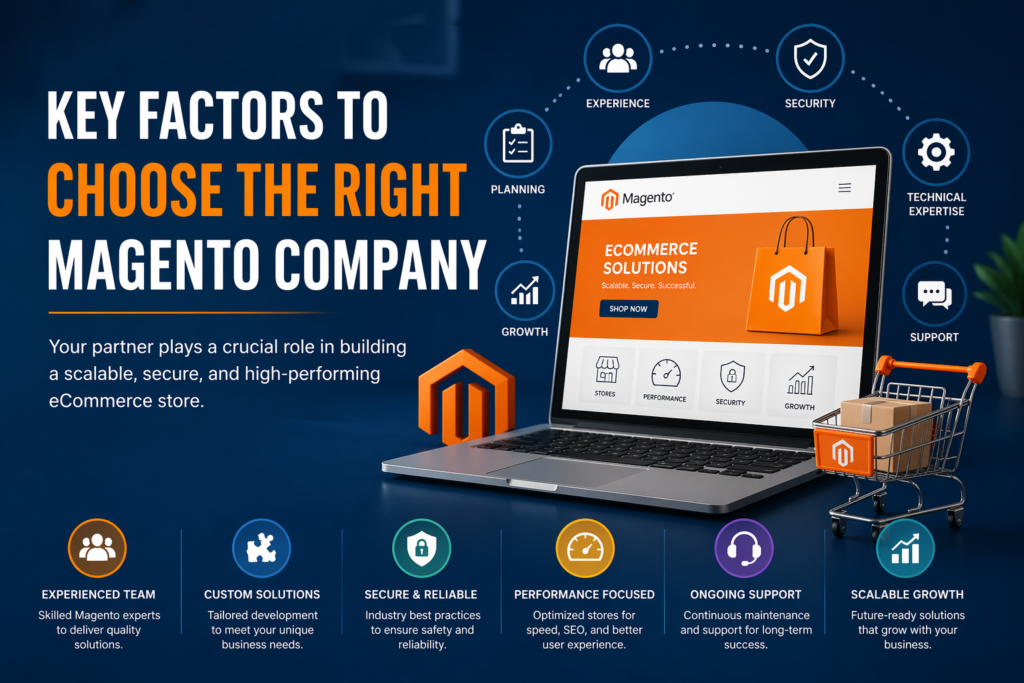
Key Skills to Look for When You Hire a Dedicated Magento Developer
Not all Magento experience is created equal. Here are the core competencies worth evaluating before making a hiring decision.
Strong Command of PHP and Magento’s Core Architecture
Magento is built on PHP, and a strong developer should demonstrate deep familiarity with its object-oriented structure, dependency injection system, and module-based architecture. This foundational knowledge is what separates developers who can build clean, maintainable custom features from those who produce fragile, hard-to-update code.
Experience With Both Magento Open Source and Adobe Commerce
Depending on your business needs, you may be working with Magento Open Source or the enterprise-level Adobe Commerce edition. These platforms share core architecture but differ in available features, particularly around B2B functionality, advanced marketing tools, and cloud infrastructure. A developer with experience across both versions can better advise on which fits your specific needs.
Performance Optimization Knowledge
Site speed directly impacts conversion rates and search rankings. A skilled Magento developer should understand caching strategies, database optimization, image handling, and front-end performance techniques specific to Magento’s architecture, rather than generic web performance advice that doesn’t account for the platform’s particular quirks.
Security Best Practices
E-commerce platforms are frequent targets for security threats given the sensitive payment and customer data involved. Experienced Magento developers should be well-versed in secure coding practices, regular patch management, and Magento-specific vulnerability patterns.
API and Third-Party Integration Experience
Most modern e-commerce operations rely on integrations with payment gateways, shipping providers, ERP systems, CRM platforms, and marketing tools. A strong developer should be comfortable working with Magento’s REST and GraphQL APIs to build reliable, well-documented integrations that don’t break with future updates.
How Magento Development Complements Backend and Python Expertise
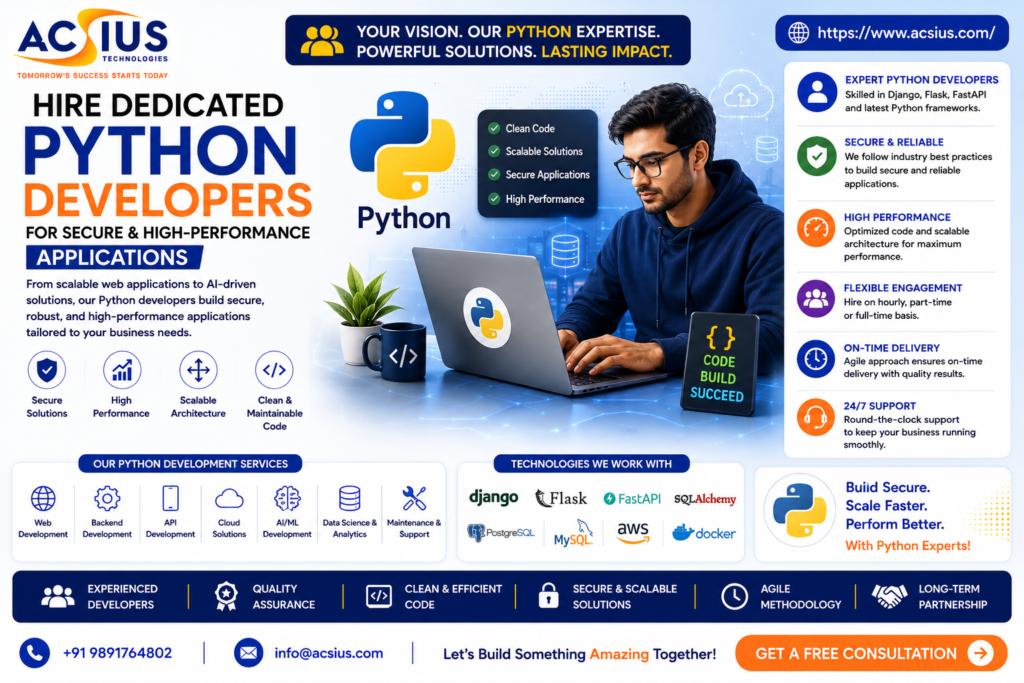
While Magento handles the front-facing e-commerce experience, many growing businesses also need custom backend systems, data pipelines, or automation tools that operate alongside the storefront. This is where a python developer hire often becomes a valuable complementary decision, particularly for businesses building custom analytics dashboards, inventory automation, machine learning-driven recommendation engines, or backend services that interact with the Magento store through APIs.
Python’s versatility makes it a strong choice for tasks like data processing, automation scripts, and integrations that sit outside the core e-commerce platform itself. Businesses that combine dedicated Magento development with skilled Python expertise are often better positioned to build more sophisticated, scalable systems than those relying on a single generalist to handle both front-end and backend needs. Thinking about your development needs holistically, rather than hiring reactively for isolated problems, tends to produce a more cohesive and maintainable technology stack over time.
Common Mistakes Businesses Make When Hiring Magento Talent
Even well-intentioned hiring decisions can go wrong without the right approach. Here are a few recurring mistakes worth avoiding.
Prioritizing cost over experience. The cheapest available developer is rarely the most cost-effective choice once you factor in rework, security risks, and lost revenue from poor performance.
Skipping a technical evaluation. Resumes and portfolios only tell part of the story. A practical coding assessment or technical interview focused on real Magento scenarios reveals far more about actual capability.
Ignoring communication and time zone compatibility. Even highly skilled developers can create friction if communication styles or availability don’t align well with your team’s working hours and expectations.
Failing to clarify project scope upfront. Vague expectations lead to scope creep and frustration on both sides. A detailed project brief, including specific features, timelines, and success metrics, sets the relationship up for success from day one.
Overlooking post-launch support. Development doesn’t end at launch. Ongoing maintenance, security patches, and performance monitoring are essential for a healthy, long-term e-commerce platform.
A Practical Framework for Hiring the Right Developer
When you’re ready to hire dedicated Magento developer support for your business, a structured process tends to produce far better outcomes than an ad-hoc search.
Step 1: Define Your Project Scope Clearly
Before reaching out to any developer or agency, document your specific needs: custom features, integrations, performance goals, and timeline expectations. The more clearly you define this upfront, the easier it becomes to evaluate whether a candidate or agency is genuinely equipped to handle your project.
Step 2: Evaluate Real Portfolio Work
Ask for examples of live Magento stores the developer or agency has built, ideally within a similar industry or with comparable complexity to your own project. Look closely at site speed, mobile responsiveness, and overall user experience, since these are practical indicators of technical quality.
Step 3: Conduct a Technical Interview or Test Project
A short paid test project or a technical interview focused on real-world Magento scenarios can reveal far more than a resume alone. Ask candidates to walk through how they would approach a specific problem relevant to your business, such as optimizing a slow product page or integrating a third-party shipping API.
Step 4: Discuss Communication and Workflow Expectations
Clarify how updates will be communicated, what tools will be used for project management, and how quickly you can expect responses to urgent issues. Strong communication practices established early prevent misunderstandings later in the relationship.
Step 5: Confirm Ongoing Support and Maintenance Plans
Ask what happens after launch. Reliable partners typically offer maintenance packages that include security updates, performance monitoring, and ongoing feature development, rather than disappearing once the initial build is complete.
Why E-E-A-T Principles Matter Even in Development Hiring
Google’s Experience, Expertise, Authoritativeness, and Trustworthiness framework is often discussed in the context of content and SEO, but the same principles are genuinely useful when evaluating a development partner. Experience shows in how a developer or agency handles unexpected technical challenges, not just routine tasks. Expertise reflects depth of platform-specific knowledge, not just general web development familiarity. Authoritativeness often comes through in case studies, client references, and a track record of successful, complex projects. Trustworthiness is built through transparent communication, honest timelines, and a willingness to explain technical decisions in plain language rather than hiding behind jargon.
Applying this same evaluative lens when you hire dedicated Magento developer talent — or when you bring on a python developer hire for backend work — helps ensure you’re choosing a partner capable of genuinely supporting your business’s long-term technical needs, not just completing a single project.
Questions Worth Asking Before You Commit
A short list of pointed questions can reveal a great deal about whether a developer or agency is the right fit:
- Can you walk me through a complex Magento project you’ve completed, including challenges you encountered?
- How do you approach performance optimization for large product catalogs?
- What is your process for handling third-party integrations and API development?
- How do you structure ongoing maintenance and support after launch?
- If my project also requires backend or automation work, do you have experience with Python development that could integrate cleanly with Magento?
The specificity and confidence of the answers will tell you a great deal about the depth of real experience behind the pitch.
Final Thoughts
Choosing to hire dedicated Magento developer talent is one of the most impactful decisions a growing e-commerce business can make, particularly as store complexity increases and generic solutions stop being enough. The right developer or team brings not just technical skill, but a genuine understanding of performance, security, and integration needs that directly affect your bottom line. And for businesses building out more sophisticated backend systems alongside their storefront, pairing that Magento expertise with a capable python developer hire can round out a technology stack built for long-term scalability rather than short-term patchwork fixes.
ACSIUS has built its development practice around exactly this kind of thoughtful, experience-led approach — combining deep Magento platform expertise with broader development capabilities, including Python-based backend and automation work, to help businesses build e-commerce systems that are fast, secure, and genuinely built to scale. For businesses looking for a development partner who treats your platform as a long-term asset rather than a one-time build, ACSIUS offers the kind of transparent, technically grounded support that reflects what a truly dedicated development partnership should look like.
FAQs
How much does it cost to hire a dedicated Magento developer in India?
Costs vary depending on experience level, project complexity, and whether you're hiring an individual freelancer or working through an established agency. Generally, hiring through India offers competitive rates compared to Western markets without sacrificing quality, though it's worth focusing on value and experience rather than the lowest quote alone.
How is Magento development different from working with a general web developer?
Magento has its own architecture, extension ecosystem, and performance considerations that differ significantly from general PHP or CMS development. A generalist developer may be able to make basic changes, but complex customizations, performance tuning, and secure integrations typically require someone with specific, hands-on Magento experience.
Should I choose Magento Open Source or Adobe Commerce for my store?
It depends on your business size and needs. Magento Open Source works well for many small to mid-sized businesses, while Adobe Commerce (the enterprise edition) offers advanced B2B features, built-in marketing tools, and cloud infrastructure suited to larger, more complex operations. An experienced developer can help assess which fits your specific catalog size and growth plans.
How long does it typically take to build or customize a Magento store?
Timelines vary widely based on scope. A relatively standard store setup might take a few weeks, while complex custom builds with multiple integrations, custom modules, or migrations from another platform can take several months. A clear project scope defined upfront makes it much easier to set realistic timeline expectations.
Do I need a Python developer alongside my Magento developer?
Not always, but many growing businesses benefit from it. If you need custom backend automation, data pipelines, analytics dashboards, or machine learning-driven features that operate alongside your storefront, a python developer hire can complement your Magento team by handling backend logic through API integrations.
How do I evaluate a Magento developer's real skill level before hiring?
Ask for live examples of past Magento projects, request a short paid test project or technical interview based on a real scenario relevant to your business, and check references or client reviews where possible. Resumes and portfolios alone rarely tell the full story.
What ongoing support should I expect after my Magento store launches?
Reliable developers or agencies typically offer maintenance packages covering security patches, performance monitoring, bug fixes, and incremental feature updates. Development shouldn't stop at launch, since ongoing care is essential for keeping the store secure and performing well over time.
Can a dedicated Magento developer help improve my store's page speed and SEO performance?
Yes. Site speed and technical health directly affect both user experience and search rankings. An experienced Magento developer understands caching strategies, image optimization, and code efficiency specific to the platform, all of which contribute to better performance and, indirectly, stronger SEO outcomes.
Why should I choose ACSIUS to hire a dedicated Magento developer?
ACSIUS combines specialized Magento platform expertise with broader development capabilities, including Python-based backend work, transparent communication, and a focus on long-term scalability rather than one-off builds. This holistic, experience-led approach helps businesses build e-commerce systems that are fast, secure, and genuinely built to grow with them.